
Why Some Homes Sell Faster Than Others in Brevard County
Client Focused. Results Oriented.
Why Overpricing Your Home Can Cost You Money in Brevard
County
One of the biggest misconceptions sellers have is believing
they should list their home higher than the market to “leave room for
negotiation.” In reality, overpricing a home is one of the fastest ways to
weaken buyer interest, lose momentum and ultimately sell for less than the
property may have been capable of achieving.
In today’s Brevard County real estate market, buyers are
more informed and selective than they were during the peak frenzy of previous
years. They are comparing homes carefully, studying new listings the moment
they hit the market and evaluating value relative to nearby competition almost
instantly.
That means pricing strategy your property correctly matters
more than ever.
The First Week on the Market Is Usually the Most
Important
When a home first hits the market, it receives the highest
level of buyer attention it will likely ever get. New listing alerts go out
immediately. Buyers actively searching in that price range begin comparing the
property to every other available home nearby that they’ve looked at. Agents
monitor fresh inventory closely and serious buyers schedule showings quickly if
a property feels well-positioned relative to the market.
This initial exposure period is where the strongest leverage
typically exists for sellers. When a home enters the market priced
appropriately, buyers are more likely to feel urgency. Strong activity early
can lead to multiple interested parties, stronger negotiations and in some
cases competing offers.
When a property enters the market overpriced, the opposite
often happens. Buyer activity slows immediately. Showings become limited.
Buyers begin waiting for price reductions before acting and the home gradually
loses the advantage that comes with being new to the market.
Once momentum disappears, it can be difficult to regain.
Buyers Today Are Informed
Years ago, buyers relied heavily on agents to access
information about homes for sale. Today, buyers have immediate access to nearly
everything online.
Before they ever schedule a showing, many have already
reviewed recent sales, active listings, pricing, condition, updates, lot
features and nearby competition. They know what's available in the same
price range, and they are quick to recognize when a home feels overpriced
relative to the market.
If a property does not feel competitive compared to
surrounding inventory, many buyers simply move on rather than attempting to
negotiate. The assumption is often that the seller is unrealistic or unwilling
to work with the market.
This is one of the biggest reasons overpricing can quietly
weaken a seller’s leverage before negotiations even begin.
Sitting on the Market Changes Buyer Perception
One of the biggest risks of overpricing a home is what
happens after the property sits on the market longer than buyers expect. Once a
home remains active for an extended period of time, perception begins to shift.
Even if nothing is wrong with the property, buyers naturally start wondering
why it has not sold, whether the price is too high, or whether a better
opportunity exists elsewhere. That hesitation can reduce urgency and weaken the
seller’s leverage.
Instead of attracting strong early offers, the seller often
ends up negotiating from a weaker position after multiple price reductions and
extended time on market.
Ironically, many overpriced homes eventually sell for less than they may have achieved had they been positioned correctly from the start.
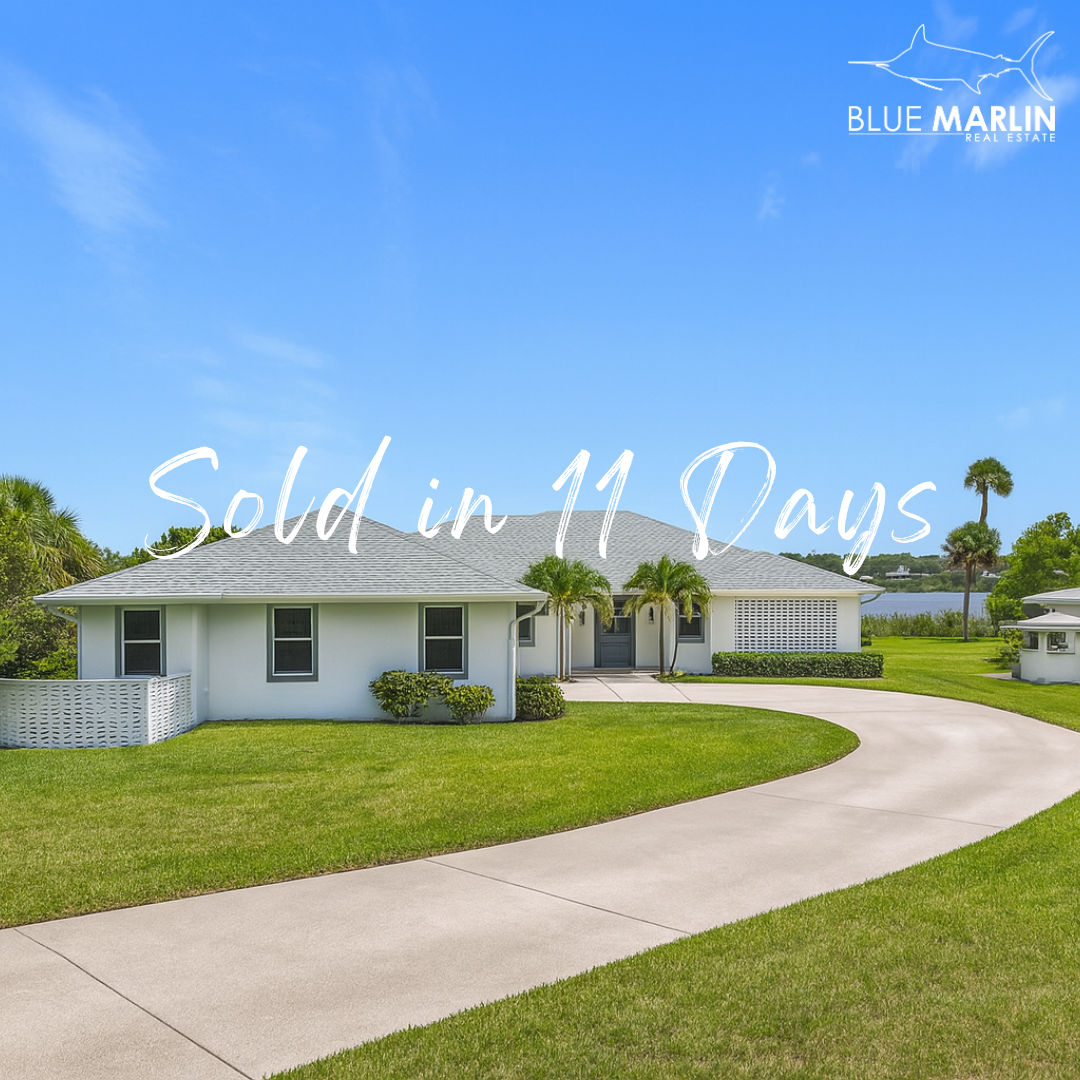
9860 Riverview Drive, Micco FL
Emotional Pricing vs Market Pricing
Another challenge many sellers face is separating emotional
value from market value. Homeowners naturally view their property differently
than buyers do. Years of ownership, memories, upgrades and personal attachment
can make it difficult to evaluate the home objectively.
The market does not price homes emotionally.
Buyers compare properties based on condition, updates,
layout, presentation, nearby competition and perceived overall value. A seller
may feel their home is worth significantly more because of personal investment
or emotional attachment, but buyers will still compare it against the other
homes available to them at that moment.
The homes that generate the strongest results are usually the ones that align with how buyers are evaluating value in the current market.
Overpricing Often Helps Competing Listings
One thing many sellers do not realize is that an overpriced
listing can unintentionally make nearby homes look like a better value.
If buyers view a competing property that feels more
appropriately priced, the comparison often strengthens the competing home
rather than the overpriced one.
In many cases, overpricing does not simply slow activity. It
actively pushes buyers toward other listings. This is especially important in
areas across Brevard County where buyers may already be comparing multiple homes
within the same neighborhood or school zone.
Pricing Strategically Does Not Mean Pricing Low
One of the biggest misunderstandings about pricing strategy
is the belief that pricing competitively means underpricing a home. Strategic
pricing is not about giving a property away. It is about positioning the home
in a way that creates the strongest possible buyer response while maximizing
leverage during negotiations.
In many cases, homes priced correctly from the beginning
generate more activity, stronger offers and better terms than homes that start
too high and gradually chase the market down with price reductions.
The goal is not simply to choose the highest number
possible. The goal is to create the strongest overall outcome for the seller.
The Brevard County Market Is Highly Localized
One of the most important things sellers should understand
is that the Brevard County market does not behave the same everywhere. Buyer
demand, inventory levels, pricing trends and competition can vary significantly
between areas like Melbourne, Viera, Palm Bay, Merritt Island, Rockledge and
the beachside communities.
Even within the same city factors such as condition, updates, school zones and neighborhood appeal can influence how buyers
respond to a property.
That is why pricing requires more than simply looking at online estimates or choosing a number based on nearby listings. Accurate pricing comes from understanding how buyers are currently responding to the active competition within a specific segment of the market.
Final Thoughts
Overpricing a home may feel like a safer strategy in the beginning, but in many cases it creates the exact outcome sellers are trying to avoid. Homes that are positioned too aggressively often lose momentum, sit on the market longer, attract weaker negotiating leverage and eventually require price reductions after valuable exposure has already been lost.
On the other hand, homes that are strategically positioned from the start tend to generate stronger buyer interest, better activity and more competitive negotiations during the most important period of market exposure.
In today’s market, pricing is not just about choosing a number. It is about understanding how buyers perceive value relative to the competition around them.
If you are considering selling, one of the most valuable first steps is understanding what your home could realistically sell for based on current demand, active competition and recent sales activity in your specific area of Brevard County.
That insight often becomes the foundation for every decision that follows. It can be the difference between a well-positioned sale, and a process that becomes more stressful than it needs to be.
Have Questions About The Market?
Whether you’re planning a move soon or simply exploring your options, I’m happy to provide guidance and answer any questions you may have.